
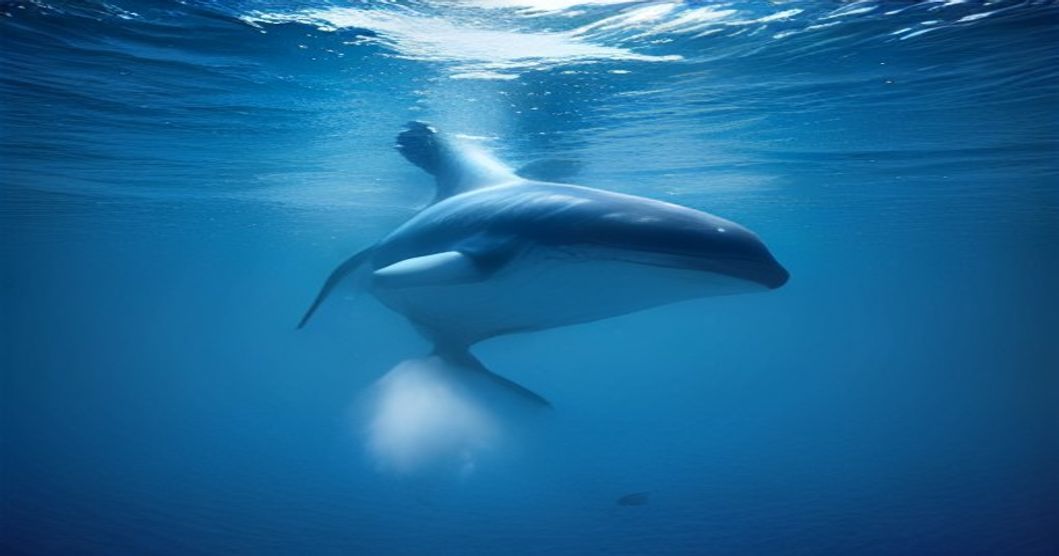
When we think of the ocean’s gentle giants, we often picture them effortlessly gliding through the water, filtering massive amounts of tiny organisms. Among these magnificent marine mammals, the Bryde’s whale stands out not only for its sleek profile and distinctive triple-ridged head, but also for its remarkable dietary intake. As a dedicated veterinarian and marine wildlife expert, I am often asked just how much these ocean wanderers need to consume to maintain their colossal bodies. The answer is nothing short of astounding: a single Bryde’s whale can devour up to 700 kilograms—that’s roughly 1,540 pounds—of food every single day.
The Menu of a Marine Apex Feeder
Unlike some of their larger baleen relatives that feed almost exclusively on microscopic krill in polar waters, Bryde’s whales (pronounced ‘brooed-uhs’) reside primarily in tropical and subtropical oceans. Because their preferred habitats are warmer and biologically diverse, their menu is wonderfully varied. These opportunistic predators gorge themselves on schooling fish such as anchovies, sardines, mackerel, and herring, alongside pelagic crustaceans and squid. To fuel their dynamic lifestyle in the open ocean, this rich, high-protein diet is an absolute necessity.
How Ocean Giants Fuel Their Day
Consuming 700 kilograms of biomass daily requires specialized hunting techniques. Bryde’s whales are known as both skimmer and lunge feeders. They will often surge upward through dense balls of baitfish with their enormous mouths agape, engulfing thousands of fish in a single gulp before using their baleen plates to filter out the seawater. This high-energy foraging requires immense physical exertion, but the caloric reward sustains their massive muscle mass, supports metabolic health, and ensures they have the energy reserves needed for seasonal migrations and reproduction in the vast, blue expanse of our planet’s oceans.