
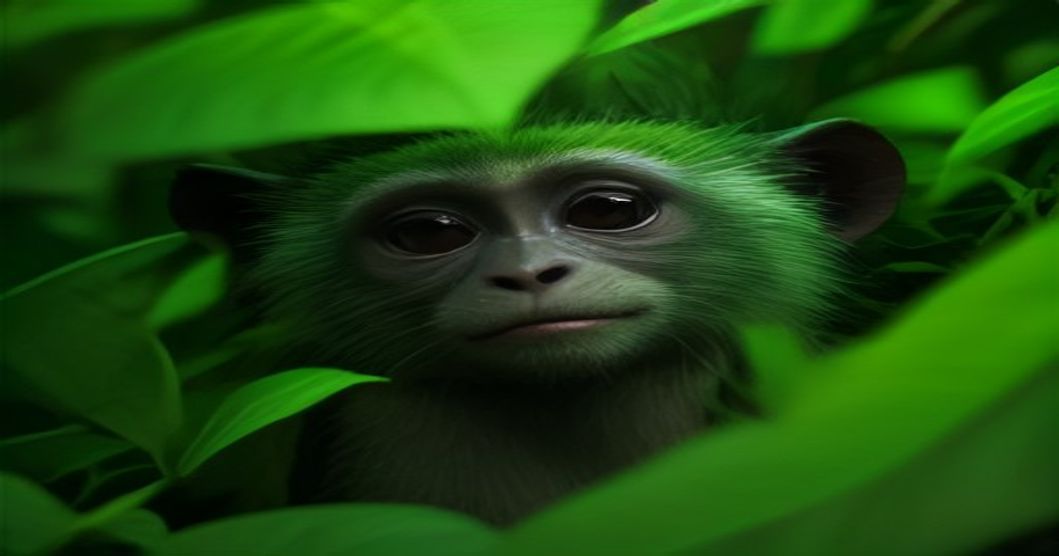
The Marvel of Complex Animal Vocalizations
In the vast symphony of the natural world, few sounds are as captivating as the complex vocalizations produced by certain species. Animal communication goes far beyond simple warning signals; it is a sophisticated language used to establish territory, strengthen social bonds, and express emotional states. When we observe animals that can produce intricate repertoires lasting up to five minutes, we gain a deeper appreciation for the cognitive complexity of the animal kingdom.
A Symphony of Screams, Barks, and Hoots
The sheer variety of sounds animals can produce is truly remarkable. From piercing screams and sharp barks to resonant hoots and melodious calls, each vocalization serves a distinct evolutionary purpose. As veterinary professionals and pet care experts, studying these diverse auditory behaviors helps us better understand animal welfare, emotional health, and species-specific needs. Recognizing the context behind these sounds allows caretakers and researchers to monitor stress levels and overall well-being in both wild and captive animals.
Listening Closer to Our Animal Companions
Whether it is the elaborate songs of wildlife or the subtle vocal cues of our domestic pets, listening intently to animal sounds is a cornerstone of responsible pet care and zoology. By decoding what our animal friends are trying to tell us through their unique vocal expressions, we can foster stronger connections and provide superior care that addresses both their physical and psychological needs.