
An Ancient Lineage
Did you know that whiptail scorpions, members of the order Amblypygi, have been wandering our planet for over 358 million years? Fossilized remains stand as a profound testament to their remarkably ancient lineage, proving that these unique arachnids have successfully weathered millions of years of Earth’s changing climates long before the dinosaurs walked the earth.
Natural Habitat and Distribution
As true heat- and moisture-loving creatures, whiptail scorpions thrive predominantly in tropical and subtropical climates. Their natural range spans widely across Africa, Australia, India, China, Vietnam, Thailand, Singapore, Haiti, Malaysia, Indonesia, and numerous other tropical regions around the globe, where they typically seek refuge in dark, humid environments such as caves, tree bark crevices, and under forest leaf litter.
Unique Anatomy and Size
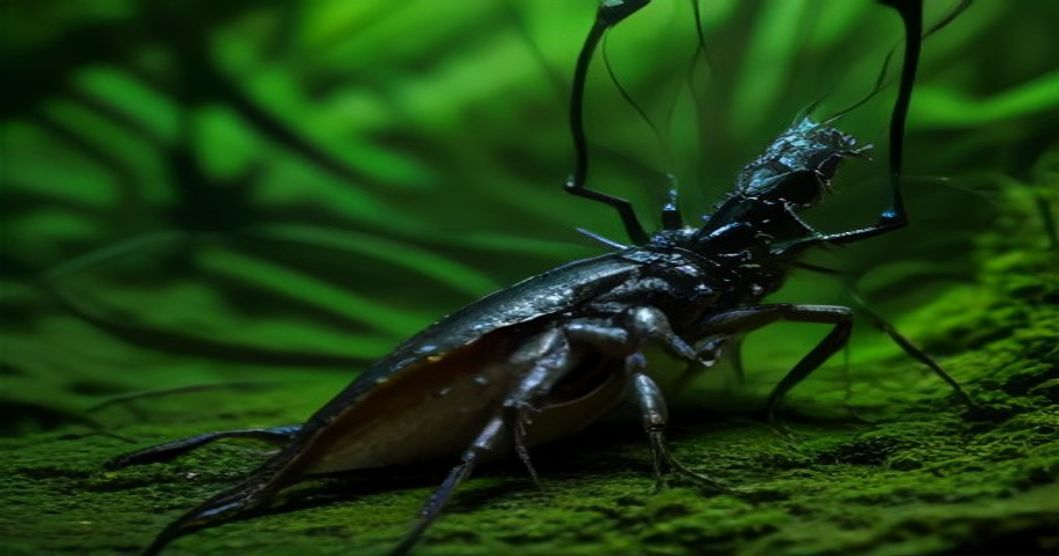
Unlike many of their arachnid relatives, whiptail scorpions possess a relatively compact body, ranging anywhere from 5 mm to 4.5–5 cm in length. However, what they lack in body mass they more than make up for in limb span! Their extraordinarily long, spindly antenniform front legs can grow up to 25 cm or more—often exceeding the length of their actual bodies by a staggering five times. Certain mature individuals can boast an impressive overall leg span stretching between 40 to 60 cm.
Harmless Nature and Diet
Despite their rather intimidating, alien-like appearance that often sparks fear, whiptail scorpions are entirely harmless to humans. They possess no venom glands and lack silk-spinning organs entirely. In fact, they are quite timid and pose a threat only to small insects, which they expertly hunt and consume to maintain their diet. For exotic pet enthusiasts and arachnid hobbyists, understanding these gentle giants reveals them to be fascinating, low-impact display animals rather than dangerous beasts.