
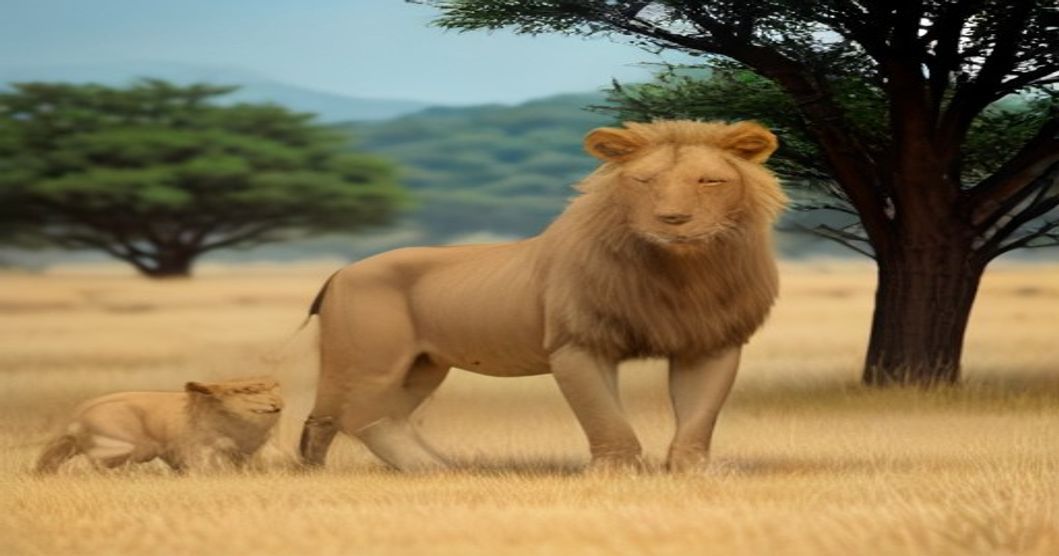
The Realities of Lion Parenting in the Serengeti
When we observe wildlife documentaries, humanizing animal behavior is a common temptation. The amusing scenario of an overworked lioness returning from a successful hunt only to scold a slumbering, negligent male is a classic narrative. From a veterinary and ethological standpoint, however, this dynamic highlights the distinct evolutionary roles of male and female lions within a pride.
The Burden of the Hunt and Cub Protection
In the vast ecosystems of the Serengeti, the lioness is the primary provider and protector. While females coordinate complex hunting strategies to feed the pride, they are also tasked with rearing the next generation. Lion cubs are exceptionally vulnerable during their first few months of life, facing numerous apex predators in the savannah, including hyenas and African wild dogs. Leaving them in the care of a male—even a seemingly inactive one—is a calculated risk. While males primarily defend the territory against rival coalitions, their sheer physical presence and booming roar often act as a powerful deterrent to smaller predators.
Acoustic Communication and Maternal Bonding
In this dramatic encounter, the timely intervention of the lioness successfully averted a tragedy. Once the threat posed by the wild dogs dissipated, the transition in maternal behavior was remarkable. The mother shifted instantly from defensive aggression to calming communication, utilizing low-frequency roars. In feline ethology, these soft, resonant vocalizations serve as crucial homing signals, ensuring the cubs recognize safety and re-establish the maternal bond. Ultimately, this snapshot of wildlife survival underscores the resilience of lion cubs and the formidable dedication of mothers in the wild.