
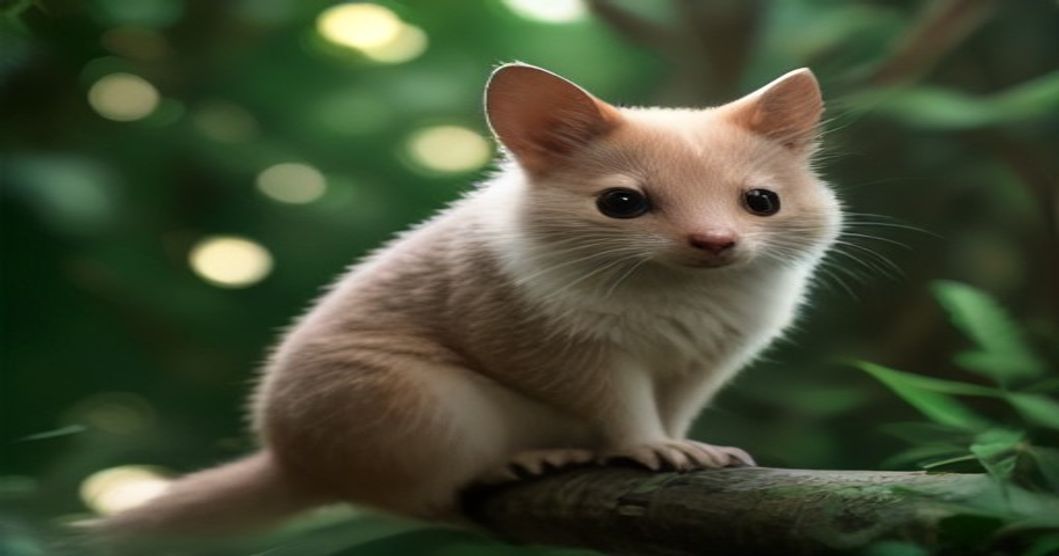
Introduction to the Brush-tailed Possum
Often referred to in broader historical contexts as the Brush-tailed Rock-wallaby or more accurately recognized as the Common Brushtail Possum (Trichosurus vulpecula), this fascinating marsupial is native to the diverse landscapes of Australia, and has also been introduced to regions such as New Zealand and Tasmania. As a veterinary and wildlife professional, understanding the intricate biology and ecological niche of this species is vital for appreciating its resilience and specific care requirements if encountered in wildlife rehabilitation settings.
Physical Characteristics and Dimorphism
Adult Brushtail Possums exhibit notable sexual dimorphism, with females generally smaller than males. Their overall body length ranges from 32 to 58 centimeters, complemented by a characteristically bushy tail measuring between 24 and 40 centimeters. In terms of weight, these animals typically scale anywhere from 1.2 to 4.5 kilograms. Their thick fur and strong prehensile tail are evolutionary masterpieces designed to support their arboreal lifestyle.
Habitat, Diet, and Nocturnal Behavior
Primarily arboreal and nocturnal, these marsupials spend their daylight hours resting securely in tree hollows, specialized nests, or constructed dens. As dusk falls, they emerge to forage. Their natural diet is predominantly herbivorous, consisting of a variety of leaves, berries, and fresh fruits. Despite their exceptional climbing abilities and anatomical adaptations for life in the canopy, Brushtail Possums are often observed moving with a surprisingly deliberate, unhurried pace.
Ecological Challenges and Conservation Status
In the wild, these animals face predation from apex avian raptors and large monitor lizards. Historically, human impact posed the greatest threat; they were extensively hunted for their dense, valuable fur. Pelt exports from Australia were historically marketed under commercial names such as “Australian opossum” or “Adelaide chinchilla.” Fortunately, modern conservation laws afford them protected status, allowing their populations to stabilize and continue playing a vital role in their native ecosystems.