
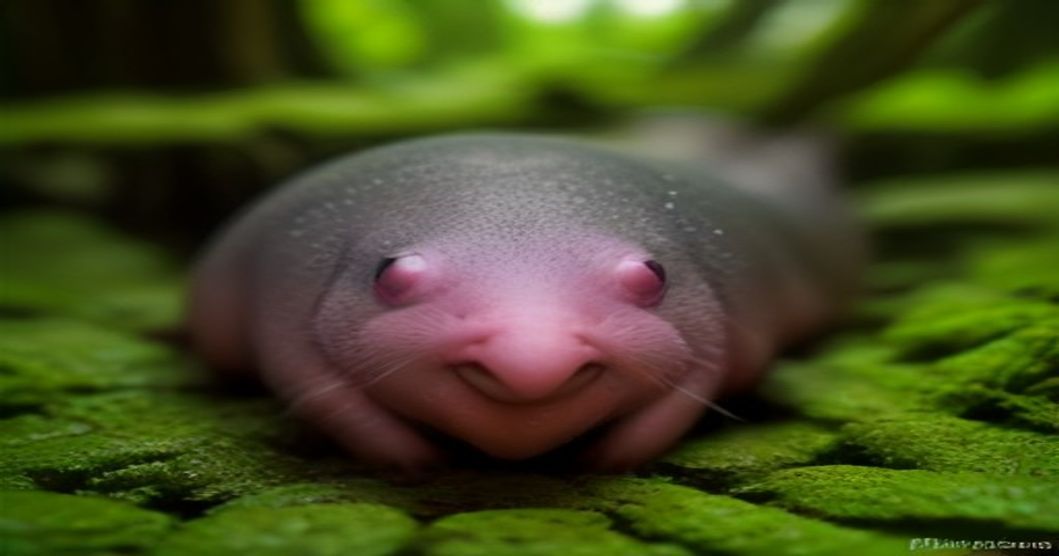
Introduction to the Star-Nosed Mole
In the vast and wondrous animal kingdom, few creatures capture our curiosity quite like the star-nosed mole (Condylura cristata). While sometimes unfairly labeled by superficial standards, this remarkable tiny mammal is an absolute masterpiece of evolutionary adaptation. Far from being an ordinary underground dweller, this fascinating species thrives in environments that challenge the typical characteristics of moles.
Aquatic Adaptations and Unique Behaviors
Unlike its subterranean cousins who strictly prefer dry soil, the star-nosed mole is an exceptional swimmer with a distinct affinity for exploration both above and below the surface of the water. One of its most impressive physical traits is its specialized stiff fur, which naturally repels water and keeps the animal insulated and dry during its aquatic foraging adventures.
The Ultimate Sensory Organ: Nature’s Super-Snout
The true crown jewel of the star-nosed mole is, of course, its iconic snout. Adorned with 22 fleshy, mobile appendages, this star-shaped organ functions as the most sensitive touch organ in the entire animal kingdom. Packed with over 100,000 individual nerve fibers—known as Eimer’s organs—its tactile sensitivity is estimated to be more than five times greater than that of a human hand, allowing it to navigate and hunt in total darkness with astonishing precision.
Record-Breaking Foraging Speed
When it comes to survival reflexes, this creature holds an unmatched title in the mammalian world. Scientific studies have revealed that the star-nosed mole can identify, capture, and consume edible prey in a mind-boggling 230 milliseconds, with a reaction time so fast it approaches the absolute limits of mammalian nervous system processing. Nature truly never ceases to amaze!