
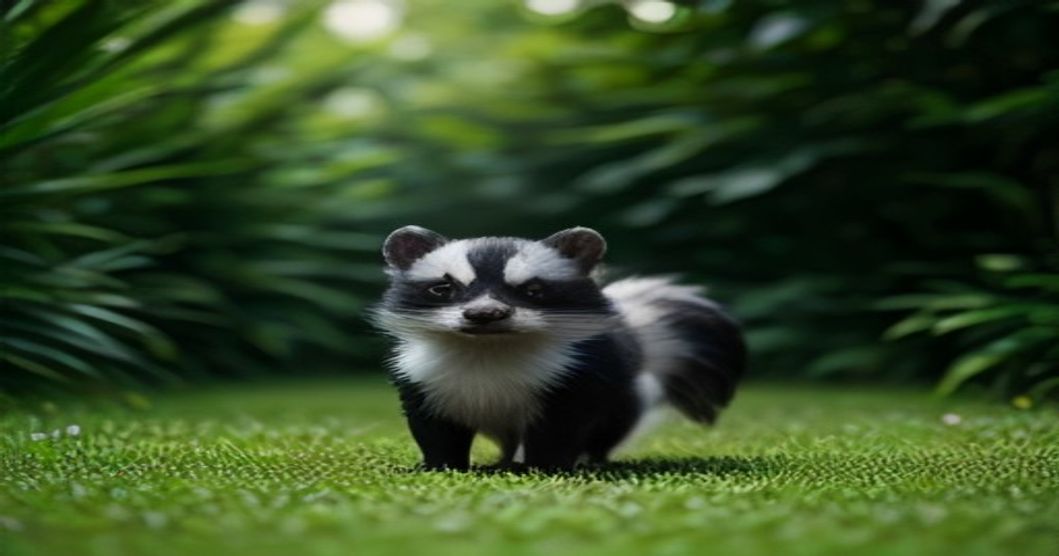
When faced with a potential threat, few animals possess a defense mechanism as infamous and effective as the skunk. Known for their striking black and white coats, these creatures are equipped with specialized anal glands that can release a remarkably foul-smelling and persistent oily spray to deter predators.
The Anatomy of the Spray
As a veterinarian and pet care expert, I often educate pet owners on the biological marvels and hazards of wildlife. A skunk’s spray is produced by two dermal glands located on either side of the anus. These glands contain sulfur-containing chemicals called thiols, which are responsible for the pungent, sulfurous odor often compared to rotten eggs or burning rubber. Skunks have remarkable control over these glands, allowing them to accurately target predators up to ten feet away.
What to Do If Your Pet Gets Sprayed
Curious dogs and cats frequently trigger this defensive response, leading to an unpleasant experience for both the pet and the owner. If your furry companion is sprayed, it is crucial to act quickly. Flush their eyes immediately with cool water or a safe saline solution. Avoid traditional tomato juice baths, as they only mask the smell. Instead, use a specialized veterinary-formulated neutralizing solution made of hydrogen peroxide, baking soda, and mild dish soap to chemically break down the thiols on their fur.
Respecting Wildlife from a Distance
Understanding skunk behavior helps reduce negative encounters. Because skunks are primarily nocturnal and near-sighted, they rely heavily on their sense of smell and hearing. If you encounter one, give it plenty of space. By taking simple precautions—such as securing outdoor trash cans and supervising pets at night—you can ensure a harmonious coexistence with these fascinating animals while keeping your pets safe and odor-free.