
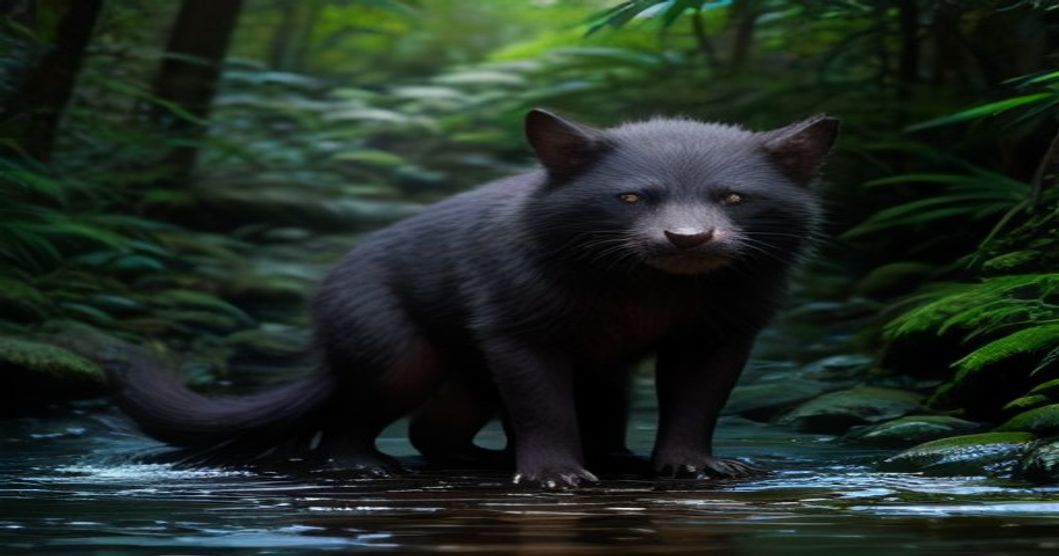
Introduction to the Tasmanian Devil
As a veterinarian and animal health expert, I am always fascinated by the incredible diversity of marsupials found across the globe. Native exclusively to the rugged island of Tasmania near Australia, the Tasmanian devil (Sarcophilus harrisii) holds the prestigious title of the world’s largest living carnivorous marsupial. With a stocky, sturdy build that often makes them resemble a miniature bear, these remarkable creatures are roughly the size of a small domestic dog.
Anatomy and Physical Specifications
Understanding the physical proportions of the Tasmanian devil helps us evaluate their overall health and well-being in the wild. Typically, their body length ranges from 50 to 80 centimeters, complemented by a tail length of 23 to 30 centimeters. Interestingly, a devil’s tail serves as a vital health indicator: it is naturally short and thick because it functions as a primary site for storing fat reserves. As a veterinary professional, I always note that a noticeably thin tail is often the first red flag indicating a sick, stressed, or starving animal.
Diet, Nutrition, and Foraging Habits
Tasmanian devils are famously voracious eaters, consuming an astonishing 15% of their total body weight daily. Their diet is remarkably diverse, reflecting their opportunistic nature. They primarily feed on small to medium-sized mammals, birds, insects, snakes, and amphibians, while occasionally supplementing their intake with edible roots and tubers. Furthermore, these adaptable carnivores are frequently found near water bodies, where they expertly hunt for frogs, crabs, and small marine creatures that have washed ashore.
Conservation and Health Outlook
Despite their ferocious reputation and voracious appetites, Tasmanian devils face significant health and conservation challenges in the wild, notably transmissible facial tumor disease. Protecting these unique marsupials requires ongoing veterinary research, habitat preservation, and careful monitoring of wild populations to ensure the health and longevity of this iconic species.