
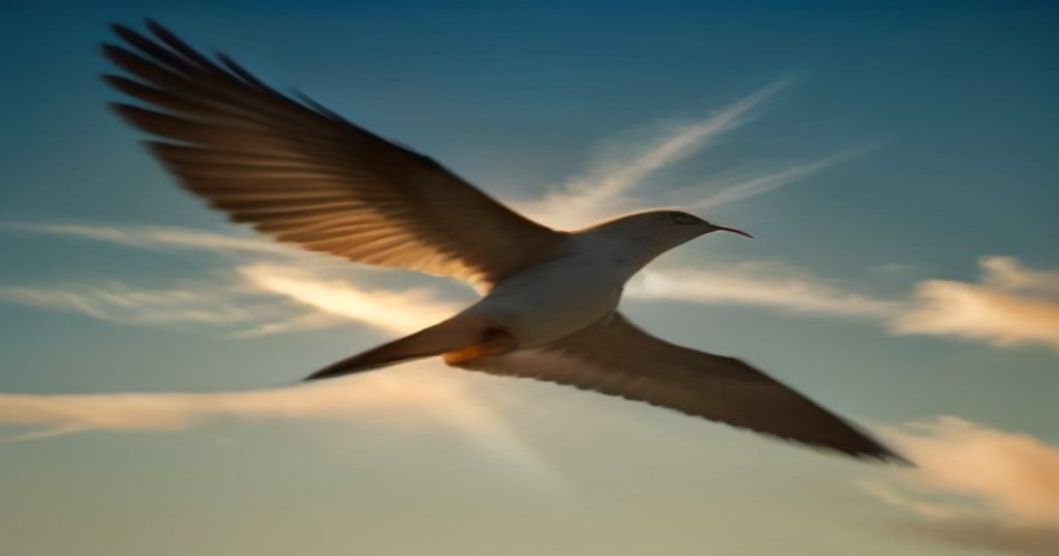
Nature’s Most Persistent Aviators
In the vast world of ornithology, few creatures command as much respect and wonder as the Common Swift. These remarkable birds have evolved to occupy a niche that seems almost impossible: a life lived almost entirely in the air. While most birds return to a perch or nest to rest, the Swift has perfected the art of perpetual motion, capable of staying airborne for ten months out of the year without ever touching the ground.
Sleeping on the Wing
One of the most frequent questions pet owners and wildlife enthusiasts ask is how a bird can sleep while flying. Recent biological studies suggest that Swifts utilize a process known as unihemispheric slow-wave sleep. This allows one half of the brain to rest while the other remains alert enough to navigate and maintain flight stability. By spiraling up to high altitudes at twilight, they can glide back down slowly, catching microsleeps during their descent.
Feeding and Hydration in Motion
Swifts are the ultimate aerial insectivores. They feed on ‘aerial plankton’—a diverse mix of small insects and spiders carried by the wind. By flying with their mouths wide open, they can capture thousands of insects a day to fuel their high-metabolism lifestyle. Even hydration is handled mid-flight; these birds skim the surface of lakes and rivers, dipping their lower mandibles into the water to drink without ever breaking their aerodynamic stride.
The Anatomy of Perpetual Flight
From a veterinary perspective, the physiology of a Swift is a masterpiece of efficiency. Their long, scythe-shaped wings are designed for high-speed gliding and incredible maneuverability. Their legs are tiny and specialized only for clinging to vertical surfaces, as they have lost the ability to perch on branches or walk on the ground. This extreme specialization ensures that as long as there is sky, the Swift is at home.
Why Their Health Matters
As sentinels of our environment, the health of Swift populations tells us a great deal about the quality of our air and the abundance of our insect populations. Protecting these masters of the sky involves preserving their nesting sites in old buildings and reducing pesticide use to ensure their aerial food source remains plentiful. Observing a Swift in flight is a reminder of the sheer resilience and beauty of the natural world.