
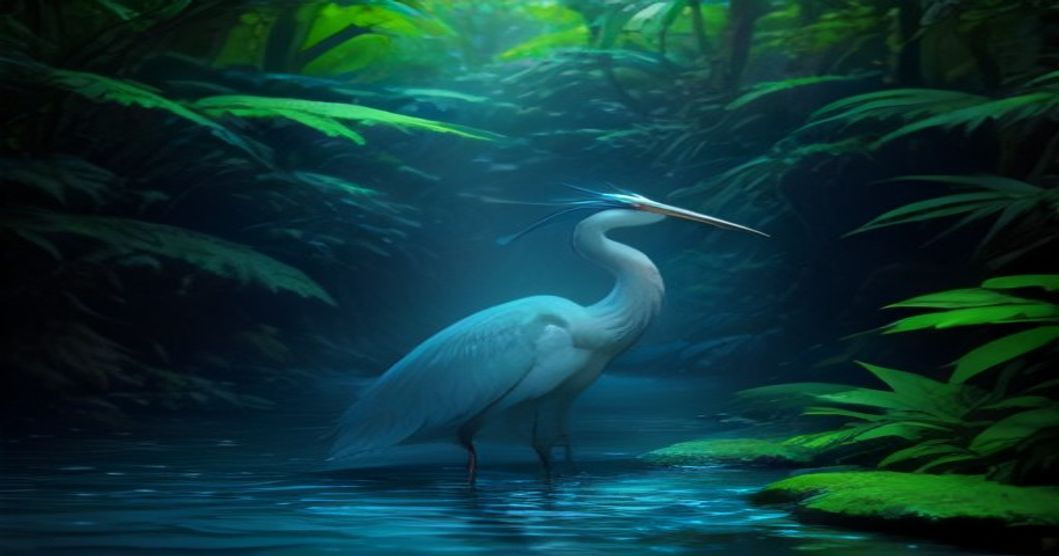
Introduction to the Agami Heron
Deep within the dense, shaded rainforests of Central and South America lies one of the avian world’s best-kept secrets: the Agami Heron (Agamia agami). Also known as the chestnut-billed heron, this mesmerizing bird spans a geographic range from southern Central America down through Peru and the Amazonian expanses of Brazil. In Brazil, it captures the imagination of locals and ornithologists alike, earning the affectionate nickname “Soco beija-flor,” which translates to “hummingbird heron.” This moniker is a nod to its uniquely vibrant and iridescent plumage, reminiscent of the dazzling colors found in hummingbirds.
Distinctive Physical Characteristics
The Agami Heron stands apart from its wading cousins through a combination of unique anatomical traits. Possessing relatively short legs for a heron, it cuts a compact and distinct silhouette. Its most striking feature is a slender, dagger-like bill that is significantly longer than its head, perfectly adapted for precision strikes in aquatic environments. Delicate pale blue ornamental feathers gracefully adorn its crown, the sides of the front of its neck, and its lower back, contrasting sharply with its rich chestnut underparts. Outside of the breeding season, its legs, bill, and bare facial skin display a dull yellow hue; however, as the breeding season commences, this facial skin dramatically flushes to a striking reddish tone.
Behavior, Habitat, and Elusive Nature
Despite boasting some of the most stunning plumage in the bird kingdom, the Agami Heron remains remarkably difficult to observe in the wild. As a deeply secretive species, it deliberately shuns open spaces, heavily favoring deep shade and dense, overhanging riverbank vegetation. This preference for concealment makes spotting one a rare and prized privilege for wildlife enthusiasts and researchers. When hunting, these herons employ a stealthy, patient approach. They stalk their prey—primarily consisting of fish, frogs, small reptiles, and aquatic snails—in shallow, heavily shaded waters within forested wetlands. Rather than actively chasing their meals, they typically employ a sit-and-wait strategy, standing motionless on low perches or directly in the water, moving with agonizingly slow, deliberate steps, and rarely ever wading out into open, sunlit water.