
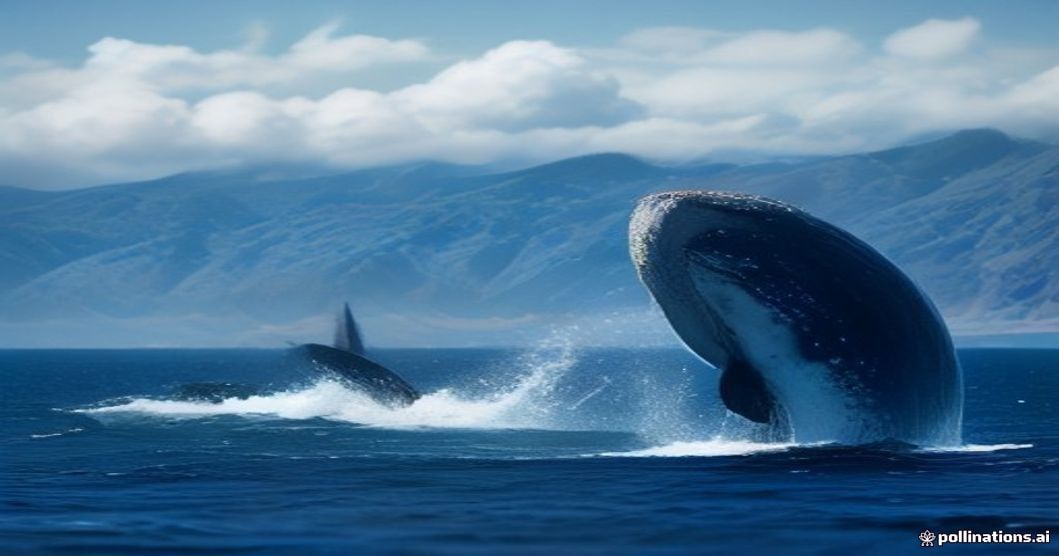
Imagine floating gently in the Pacific waters, only to lock eyes with a fifteen-ton gray whale. For one fortunate tourist, this once-in-a-lifetime marine encounter became a reality. While moments like these evoke a deep sense of awe and connection to the natural world, they also offer a unique lens through which marine biologists and veterinarians examine the health, behavior, and conservation needs of these magnificent cetaceans.
Understanding Gray Whale Behavior in Coastal Waters
Gray whales (Eschrichtius robustus) are renowned for their epic migrations, traveling thousands of miles between their Arctic feeding grounds and the warm lagoons of Baja California. During these journeys, particularly along the western coast of North America, it is not uncommon for whales to approach small vessels out of sheer curiosity. As animal health experts note, these inquisitive behaviors—sometimes called ‘spycoping’—are natural ways for whales to inspect their environment. However, such close proximity requires utmost respect and adherence to marine wildlife viewing guidelines to ensure the safety of both human and animal.
Assessing Marine Mammal Health from Afar
From a veterinary perspective, observing gray whales in the wild provides vital clues regarding population health. Healthy gray whales typically display robust body conditions, smooth skin free of excessive parasitic loads like whale lice and barnacles in pathological concentrations, and steady, powerful respiration patterns. Encounters like the one experienced by our lucky tourist allow naturalists and researchers to monitor signs of stress, injury, or entanglement. Because marine mammals face increasing anthropogenic threats—such as vessel strikes, ocean noise, and climate change—every responsible observation contributes valuable data to ongoing conservation medicine efforts.
Coexisting Safely with Ocean Giants
Encounters with gray whales remind us of the fragile beauty of our oceans. As pet care and animal welfare advocates, our responsibility extends beyond domestic companions to encompass the preservation of all wildlife. When humans practice respectful wildlife watching—maintaining a safe distance and reducing boat speeds—we ensure that these gentle giants can continue their ancient migration routes safely. After all, sharing the seas respectfully means future generations of lucky tourists and curious whales can continue to cross paths in harmony.