
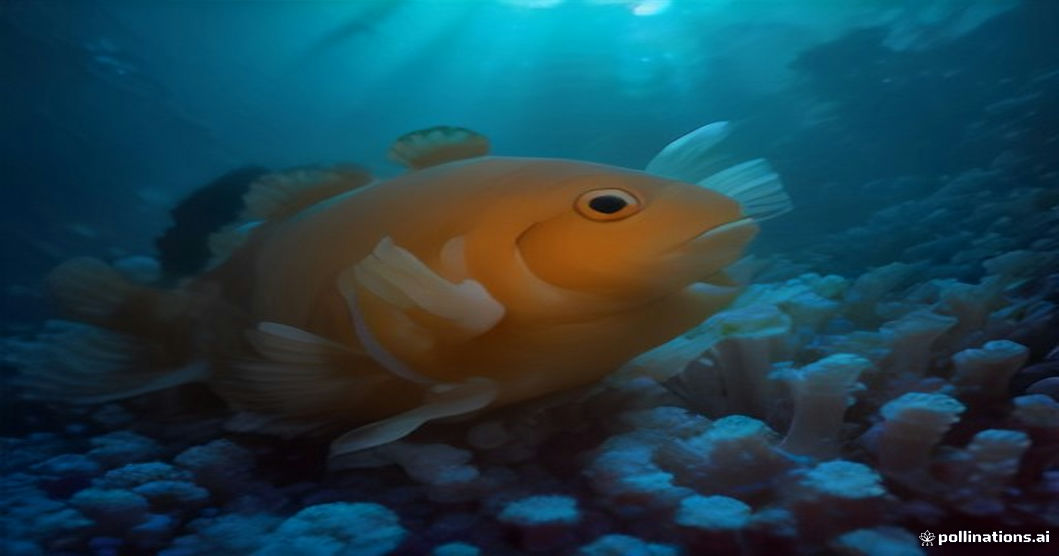
In the vibrant tapestry of coral reef ecosystems, few relationships capture the imagination quite like the partnership between clownfish (subfamily Amphiprioninae) and sea anemones. To an unsuspecting observer, a delicate, brightly colored reef fish darting fearlessly among venomous tentacles seems counterintuitive, if not perilous. However, this pairing represents one of the marine world’s most intricate and successful examples of mutualism, offering valuable biological insights for marine biologists and marine aquarium hobbyists alike.
The Nature of Symbiosis: A Deadly Haven
Sea anemones are predatory invertebrates armed with specialized stinging cells called nematocysts. Located on their undulating tentacles, these microscopic harpoons fire upon physical contact, injecting paralytic neurotoxins into unsuspecting prey such as small crustaceans and stray fish. Yet clownfish navigate this lethal forest with absolute impunity, treating the venomous tentacles not as a hazard, but as a secure sanctuary against larger reef predators.
The Secret Shield: Protective Mucus Chemistry
How clownfish survive exposure to these lethal cells has long fascinated veterinary and marine scientists. The secret lies in a specialized, thick mucus coating covering the clownfish’s scales. Unlike the mucus of other teleost fishes, clownfish mucus lacks the specific biochemical triggers—such as certain sugars and proteins—that provoke the anemone’s nematocysts to discharge. Through a combination of innate genetic adaptation and tactile acclimation, the clownfish effectively camouflages itself chemically, leading the anemone to recognize the fish not as prey or an invader, but as an extension of its own tissue.
A Win-Win Partnership: Mutual Ecological Benefits
This dynamic is far from one-sided; it is a true mutualistic partnership where both organisms derive substantial survival advantages:
For the clownfish, the anemone provides an impenetrable defensive fortress against predatory groupers, wrasses, and eels, as well as a protected nursery to lay and guard their adhesive egg clutches.
In return, the clownfish actively contributes to the anemone’s health and vitality. Clownfish aggressively defend their host from tentacle-grazing predators, such as butterflyfish. Furthermore, the clownfish’s active swimming behavior generates water circulation among the tentacles, enhancing oxygenation and aiding the anemone’s respiration. Waste products excreted by the clownfish (primarily ammonia) provide direct nitrogenous nourishment to the anemone and its endosymbiotic zooxanthellae algae, accelerating growth and metabolic health.
Considerations for Saltwater Aquarium Enthusiasts
For marine aquarists looking to replicate this bond in a captive environment, understanding this dynamic is essential. While captive-bred clownfish do not strictly require an anemone to thrive, observing their natural host behavior remains a pinnacle experience in marine fishkeeping. However, host anemones such as Heteractis magnifica or Entacmaea quadricolor demand pristine water parameters, intense reef-grade lighting, and mature aquarium systems. Ensuring both species receive appropriate environmental care guarantees a flourishing, healthy miniature ecosystem that mirrors the delicate wonders of the wild reef.