
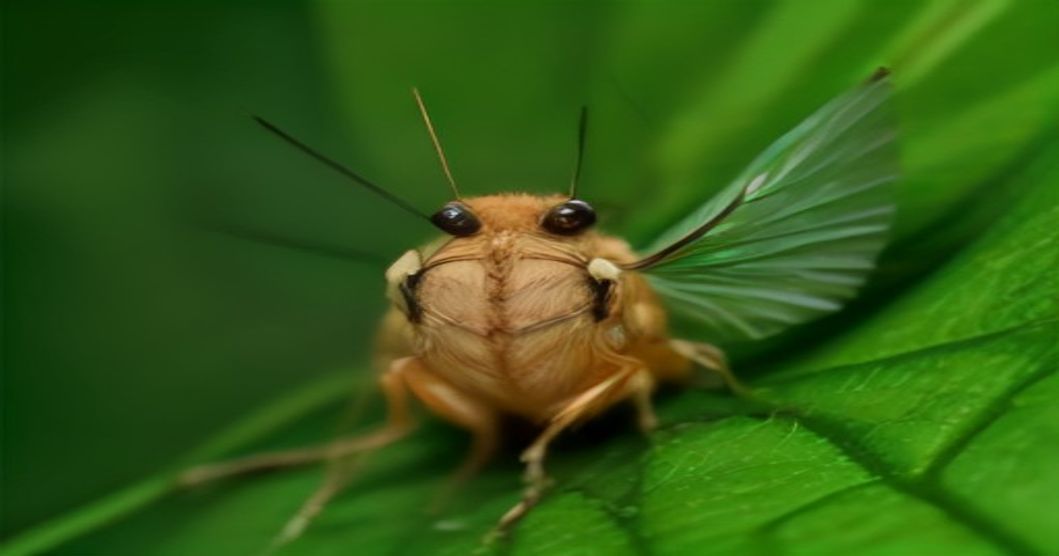
Introduction to Sanaa intermedia
The Sanaa bush cricket (Sanaa intermedia) is one of the most captivating yet enigmatic orthopterans inhabiting the dense tropical rainforests of Southeast Asia. Native to regions spanning Indochina, Vietnam, and potentially parts of Indonesia, this remarkable katydid showcases the extraordinary evolutionary adaptations characteristic of equatorial biodiversity.
Physical Characteristics and Sexual Dimorphism
Visual presentation in Sanaa intermedia is defined by notable sexual dimorphism. Mature females are remarkably large, boasting an impressive wingspan of up to 135 millimeters. In contrast, males are significantly smaller. Like other true bush crickets, their intricate wing structures and leaf-mimicking morphology serve both as effective camouflage and key tools for communication and survival within the dense canopy.
Dietary Profile and Ecological Role
Ecologically, the Sanaa bush cricket is classified as a polyphagous herbivore. Rather than relying on a single host plant, it feeds on a wide variety of botanical species throughout the rainforest ecosystem. By consuming diverse foliage and vegetation, Sanaa intermedia plays an active role in canopy dynamics and contributes to the intricate food webs of Southeast Asian tropical forests.
Fascinating Defensive Behaviors
What truly sets the Sanaa bush cricket apart is its unique behavioral response to threats. Unlike many insects that rely on immediate flight or passive concealment when approached by a predator, Sanaa intermedia engages in a dramatic deimatic startle display. When threatened, the cricket holds its position, flares open its forewings, elevates its body, and exposes vividly colored hind wings while swaying rhythmically and menacingly. Although the cricket possesses no actual venom or mechanical weapons capable of harming a predator, this startling visual bluff is frequently enough to intimidate and deter small insectivorous birds.
Scientific Research and Conservation Context
Despite being a popular subject in nature photography and prominent within private entomological collections, remarkably little scientific literature exists regarding the detailed life history, breeding habits, and population stats of Sanaa intermedia. Continued habitat preservation in Southeast Asia’s tropical rainforests is essential to ensuring the survival of this fascinating, understudied insect.