
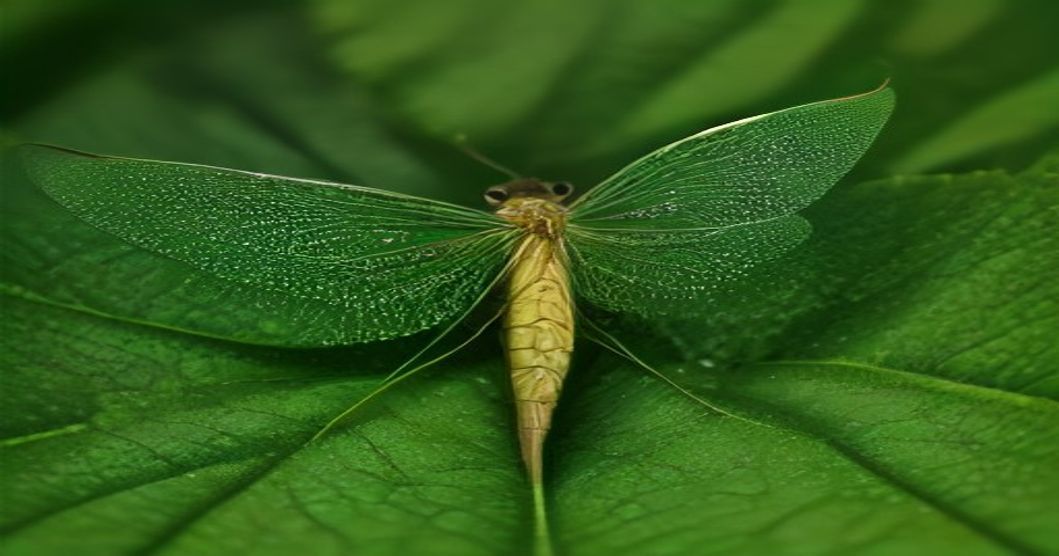
In the expansive tapestry of the natural world, few creatures embody the fleeting beauty of life quite like the mayfly. Belonging to the ancient insect order Ephemeroptera—derived from the Greek words ephemeros, meaning ‘lasting only a day,’ and pteron, meaning ‘wing’—these delicate aquatic insects have inhabited Earth for hundreds of millions of years. Despite their ancient lineage, an adult mayfly’s time in the open air is astonishingly brief.
An Ancient Order Driven by a Single Purpose
The defining characteristic of adult mayflies is their radical specialization for reproduction over survival. Unlike most animals, mature mayflies do not feed at all; in fact, they lack functional jaws and a digestive system entirely. Having accumulated all necessary energy reserves during their prolonged nymph stage underwater, their adult existence is dedicated solely to finding a mate and laying the next generation’s eggs before their brief clock runs out.
The Mating Dance and Aquatic Life Cycle
During peak seasonal emergences, huge swarms of mayflies take to the air in dramatic synchronous displays. Their flight is instantly recognizable—a rhythmic, dance-like pattern consisting of rapid upward wing beats followed by graceful gliding descents, stabilized by large membranous wings and distinctive long tail filaments. Once mating occurs in mid-air, males quickly perish. Females proceed to lay their eggs directly onto the surface of freshwater bodies or submerge themselves along aquatic plants to secure their offspring, dying shortly thereafter.
Ecological Significance and Veterinary Insights
From an ecological and veterinary standpoint, mayflies are entirely harmless to domestic pets and humans. They do not bite, sting, or carry vector-borne diseases. Furthermore, they serve as crucial indicators of aquatic ecosystem health, thriving only in clean, unpolluted water. For wildlife, birds, fish, and local fauna, these massive seasonal swarms provide a vital, nutrient-dense food source. Understanding these fascinating insects highlights the delicate balance of aquatic ecosystems and the incredible diversity of life cycles across the animal kingdom.