
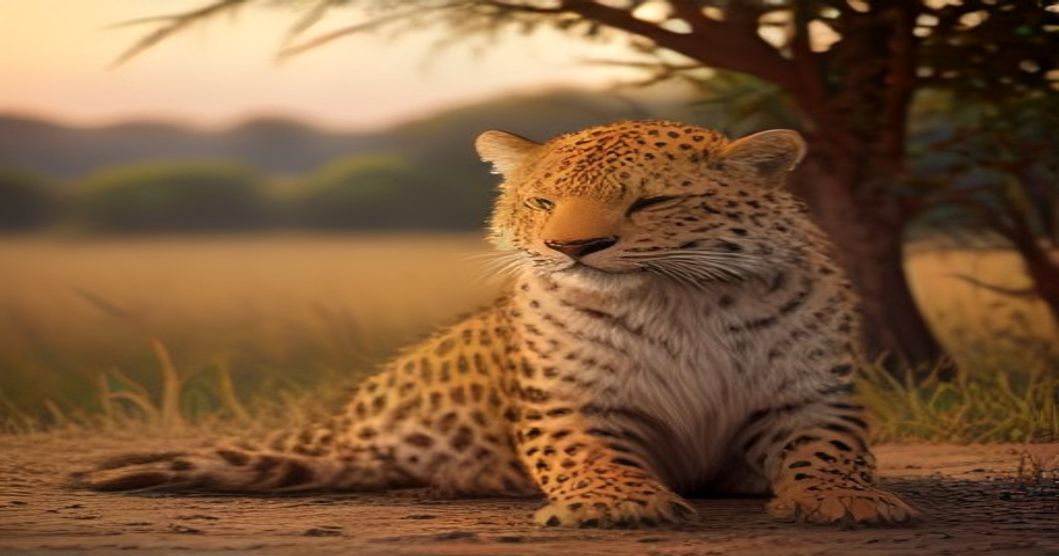
A Battle of Strength and Spikes
In the wild, nature often humbles even the most seasoned apex predators. Recently, observers witnessed a fascinating and grueling encounter between a hungry leopard and an unyielding porcupine. What began as a pursuit quickly transformed into an hour-and-a-half-long test of endurance. The leopard repeatedly struck out with its paws, attempting to bypass the rodent’s impenetrable defense of sharp quills, only to find itself outmatched by the defensive masterclass.
The Cost of Conflict
Throughout the prolonged ordeal, the leopard was forced to take multiple breaks to tend to its injuries—extracting painful quills from its paws and licking its wounds. Remarkably, the brave porcupine stood its ground nearby, seemingly taunting its frustrated opponent. Realizing the high physical cost of the hunt, the leopard ultimately admitted defeat. The two animals eventually slipped away into the brush, parting ways as if silently declaring a truce.
Veterinary Insights: The Danger of Quills
From a veterinary and animal health perspective, porcupine encounters are notoriously hazardous for wild carnivores and domestic pets alike. Porcupine quills are specialized hairs with microscopic barbs that cause them to drive deeper into tissue with every movement. If left untreated, or if the wound becomes inflamed and infected, these injuries can lead to chronic pain, tissue necrosis, and severe debilitation.
How Quill Injuries Shape Predator Behavior
Interestingly, wildlife studies reveal a sobering statistic: approximately 9 out of 10 leopard man-eaters bear the scars of old porcupine quill injuries. These debilitating wounds often hinder a big cat’s ability to hunt agile, natural prey like antelope. Reduced speed and chronic pain drive these desperate predators toward slower, more vulnerable targets—humans. This remarkable wildlife encounter serves as a vivid reminder of the incredible defense mechanisms found in nature and the lifelong consequences of underestimating small prey.