
Introduction to the World’s Largest Hornet
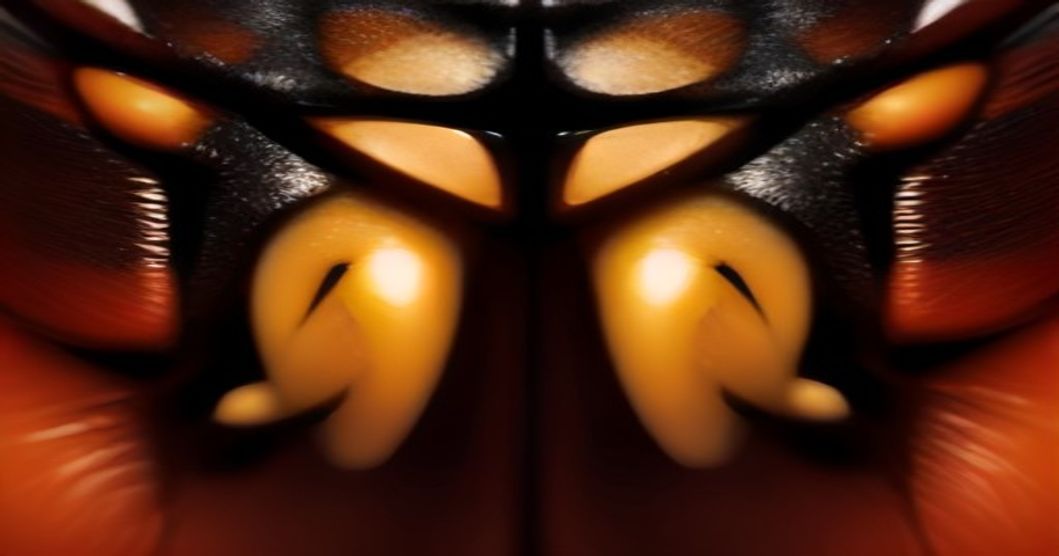
The Japanese giant hornet (Vespa mandarinia) holds the title of the largest hornet in the world. Boasting an impressive average body length of 5.5 cm, a wingspan stretching 7.5 cm, and a formidable stinger measuring slightly over 6 mm long, this insect commands both awe and caution. As a member of the true wasp family, it shares a familiar warning coloration of vibrant yellow and black bands.
Habitat and Geographical Distribution
Native to the temperate and tropical regions of East and South Asia, the natural habitat of the Japanese giant hornet ranges extensively across Korea, China, Japan, Nepal, and India. They typically nest in subterranean cavities or low-hanging tree hollows, thriving in forested environments where food sources are abundant.
Venom Potency and Medical Significance
Unlike honeybees, the stinger of the Japanese giant hornet does not remain in the victim’s body, allowing it to inflict multiple stings. Its potent neuroparalytic venom contains a complex toxin known as mandarotoxin. When a human or domestic animal is stung, the effects can be severe and rapid, including excruciating pain, localized swelling, systemic allergic reactions, and in severe cases, cardiac arrest and acute kidney dysfunction. Immediate veterinary or medical intervention is crucial if a pet is targeted by these predators.
Aggressive Predatory Behavior and Ecosystem Impact
Japanese giant hornets are apex predatory insects. While they supplement their diet with ripe fruits and tree sap, they primarily hunt other insects to feed their developing larvae. Their most notable targets are honeybee colonies. A single scout hornet will locate a bee nest, mark it with a pheromone, and return with a strike force. A coordinated attack by a mere 30 hornets can completely slaughter and decimate a colony of 20,000 to 30,000 bees within a matter of hours, showcasing their devastating ecological efficiency.