
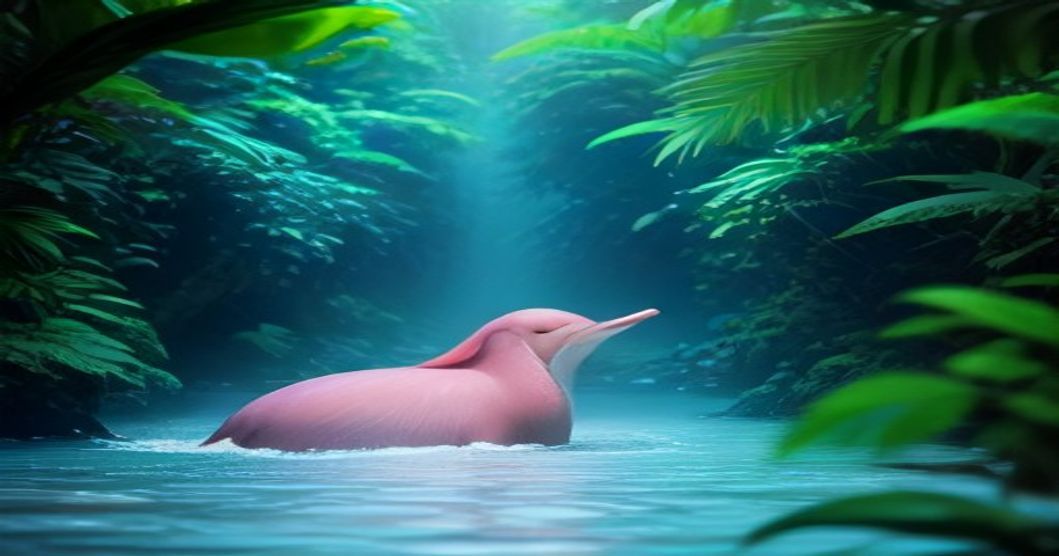
Introduction to the Amazon’s Iconic Boto
Deep within the winding freshwater tributaries of the Amazon basin swims one of the world’s most intriguing aquatic mammals: the Amazon river dolphin (Inia geoffrensis), locally known as the Boto or Iinia. As one of the few surviving freshwater cetaceans, these captivating creatures stand out not only for their remarkable adaptability to riverine environments, but also for their striking appearance and unique evolutionary traits.
The Biological Marvel of Pink Coloration
One of the most famous characteristics of the Boto is its dynamic pigmentation. Calves are born a subtle light gray, but as males mature, they gradually acquire a vibrant pink coloration. While often colloquially thought of as albino by nature, this unique shade is actually driven by blood flow near the skin’s surface, scar tissue, and skin abrasion over time. As the largest of the four obligate river dolphin species—a group historically distributed across major river basins including the Amazon, Ganges, Indus, and Rio de la Plata—an adult Amazonian dolphin can reach up to 3 meters in length and weigh as much as 200 kilograms.
Unique Courtship Rituals and Adaptations
The behavioral repertoire of the pink river dolphin is as fascinating as its physical appearance. During the mating season, mature males engage in extraordinary ritual displays. They are frequently observed carrying aquatic vegetation, sticks, or clay chunks in their mouths while performing spinning maneuvers. This elaborate display serves a dual evolutionary purpose: attracting prospective female partners and asserting dominance over rival males. Additionally, unlike their marine relatives, river dolphins possess unfused neck vertebrae, allowing them to turn their heads at 90-degree angles to navigate efficiently through flooded forest floors.
Health, Conservation, and Ecological Importance
As top predators in their freshwater ecosystems, pink river dolphins serve as vital biological indicators of overall river health. Protecting these magnificent animals requires dedicated conservation efforts focused on mitigating habitat degradation, pollution, and accidental fisheries interactions. Preserving the delicate Amazonian ecosystem ensures that the legendary Boto will continue to grace South American waters for generations to come.