
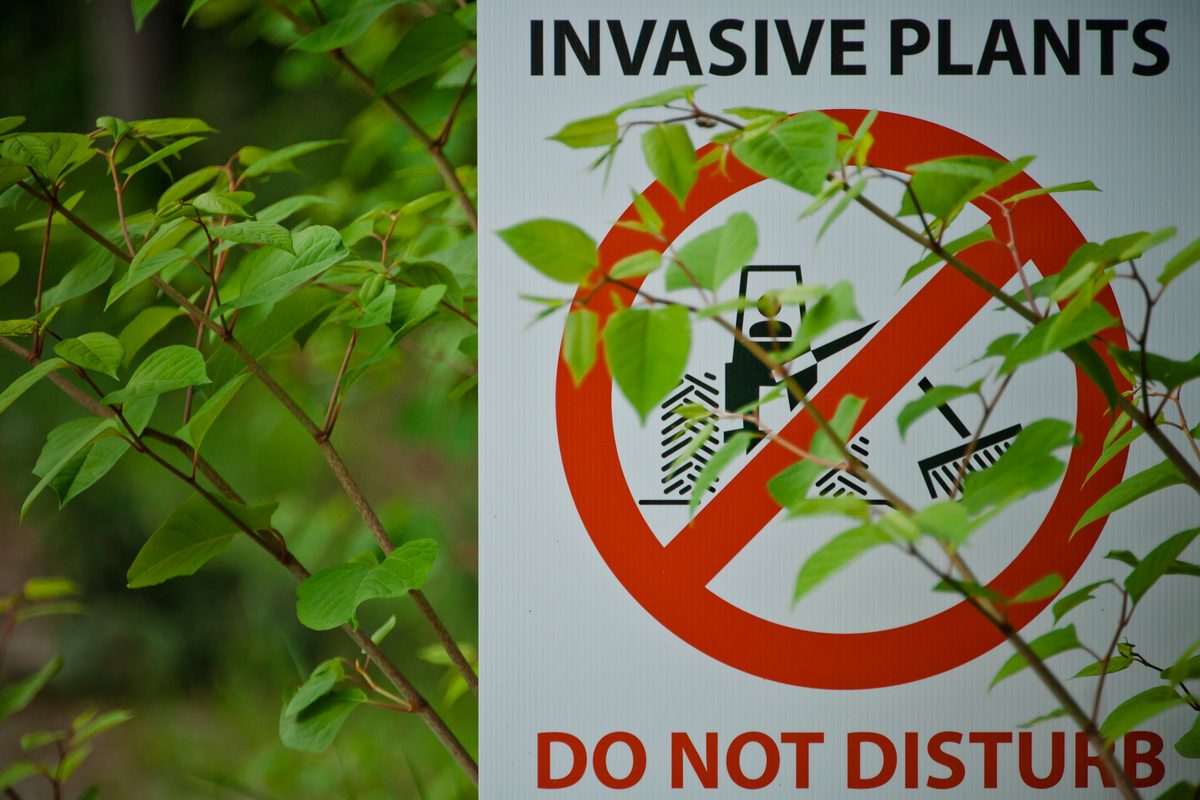
While weeds are typically viewed as a simple nuisance for green-thumbed gardeners, some play crucial roles in maintaining ecosystems. However, others pose severe threats to native species—and a select few can land you in serious legal trouble with hefty fines.
James Ewens, a gardening expert at Alexander Francis, has highlighted 10 invasive plants that demand immediate attention if left unchecked. Here are some of the most notorious offenders:
1. Japanese Knotweed
Arguably the UK’s most infamous invasive plant, Japanese Knotweed can grow through concrete and tarmac, causing severe structural damage. Its destructive nature is so notorious that it frequently appears on house-buying surveys and can heavily devalue your property. While growing it isn’t strictly illegal, allowing it to spread to neighboring properties can lead to prosecution or a community protection notice.
2. Giant Hogweed
Deceptively pretty, giant hogweed harbors a toxic sap capable of causing severe skin burns and permanent scarring. Commonly found near rivers and roadsides, it requires careful handling. Though possessing it in your garden isn’t a crime, allowing it to spread is a criminal offense. If spotted, property owners should contact their local council for professional removal.
3. Spear Thistle
Featuring spiky leaves and striking purple flowers, spear thistle is currently illegal to grow in your garden due to its aggressive spreading nature, which harms native plants and crops. Letting this weed grow unchecked can result in a fine of up to £2,500.
4. Common Ragwort
Though not outright banned, common ragwort is strictly controlled under a specific Code of Practice. Highly toxic to most mammals—particularly horses and livestock—property owners are legally obligated to remove it if it threatens animal welfare or food production.
5. Injurious Docks and Weeds
Other fast-spreading species like curled dock and broad-leaved dock produce tens of thousands of seeds per plant. Classified under the Weeds Act 1959, they can rapidly outcompete native flora, disrupt local ecosystems, and become a massive headache to eradicate.
6. Invasive Non-Native Invaders
Plants like Himalayan Balsam, Rhododendron ponticum, and the pond-choking New Zealand Pigmyweed also threaten biodiversity and waterways. While some are legal to grow within your private property, failing to contain them or allowing them to escape into the wild can result in severe legal penalties.
Not all greenery is garden-friendly. If you spot any of these hazardous plants on your land, it is vital to take action and seek professional help to protect your property, local wildlife, and your wallet.