
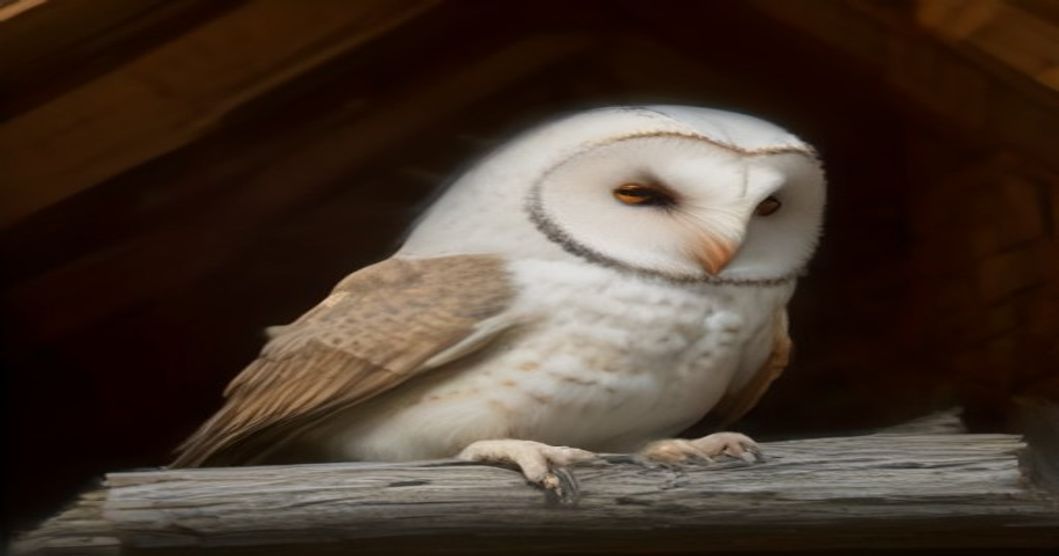
Introduction to the Global Barn Owl
Barn Owls (Tyto alba) are truly remarkable avian citizens of our planet, inhabiting every single continent on Earth with the sole exception of Antarctica. Across Europe, these ghostly and silent hunters can be found thriving in various regions, including parts of the picturesque Baltic coast. Known for their heart-shaped faces and exceptional stealth, barn owls play a vital ecosystem role in rodent control, making them a favorite among conservationists and wildlife enthusiasts alike.
Courtship, Nesting Habits, and Incubation
The journey of a new generation begins with the male barn owl. He is tasked with selecting the ideal nesting site and actively attracting a prospective female partner using distinctive, harsh, shrill calls. Interestingly, these birds do not build traditional nests from twigs or leaves. Instead, the chosen site must be enclosed, safe, and dark—such as a deep tree hollow, a quiet burrow, an abandoned barn, or a dusty attic. They will also frequently repurpose the old nests of other large bird species to lay their eggs.
The Growth and Development of Barn Owl Chicks
Upon hatching, barn owl chicks are completely covered in delicate, fluffy white down and are entirely dependent on their dedicated parents for warmth and nourishment. As they grow rapidly, their developmental milestones are fascinating to observe: after roughly 35 to 45 days, the adventurous chicks begin tentatively leaving the immediate nesting area. By 50 to 55 days of age, they take their first crucial steps toward mastering flight. Finally, these young raptors achieve full independence from their parents at around 3 months of age, ready to establish territories of their own.
Fascinating Avian Biology: Night Vision
As a veterinary and animal health observation, these birds possess astonishing physiological adaptations. Fun Fact: Barn owls have exceptional night vision! They can see in the dark about as well as most human beings can during the bright light of day, making them supreme nocturnal predators well-equipped for survival.