
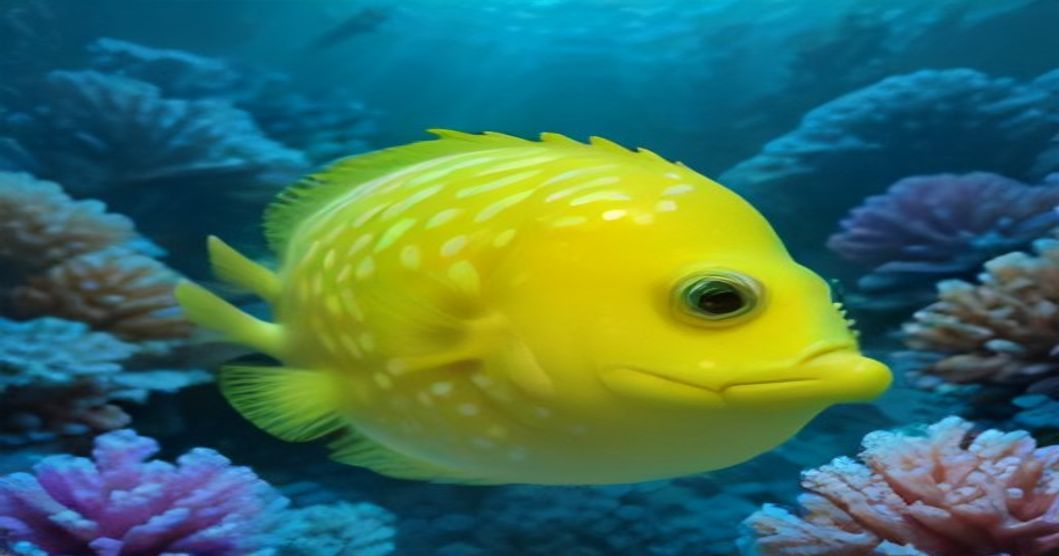
Meet the Ostracion cubicus
Dive into the vibrant tropical waters of the Indo-Pacific, and you might just cross paths with one of the ocean’s most charming and eccentric residents: the Ostracion cubicus, commonly known as the yellow boxfish. Far from being a victim of quirky underwater fashion—or plastic surgery—this delightful creature is a true marvel of marine evolution. Ranging typically between 30 to 50 centimeters in length, this species immediately captures the attention of divers, aquarists, and marine biology enthusiasts alike with its unmistakable, whimsical shape.
The Engineering Behind the Armor
What makes the boxfish so remarkably unique is its rigid skeletal structure. Unlike most fish that rely on flexible spines and soft, overlapping scales for locomotion, the Ostracion cubicus is encased in a solid, triangular or box-like carapace. This bony armor is formed by fused hexagonal plates of bone, creating a surprisingly strong and protective exoskeleton. Openings are strategically left for their mouth, eyes, gills, and fins, allowing these slow-moving swimmers to navigate reefs safely despite their lack of traditional speed.
Habitat, Care, and Conservation
Naturally inhabiting tropical and subtropical coral reefs, lagoons, and protected rocky areas, yellow boxfish graze on algae, sponges, and small crustaceans. While their bright yellow juvenile coloration and clumsy swimming style make them immensely popular in the marine aquarium hobby, professional veterinarians and pet care experts emphasize that they require specialized care. Their unique defense mechanism includes releasing toxic ostracitoxin when stressed, which can endanger other tank inhabitants. Understanding their delicate biology is key to ensuring these oceanic wonders thrive both in the wild and in expert professional care.