
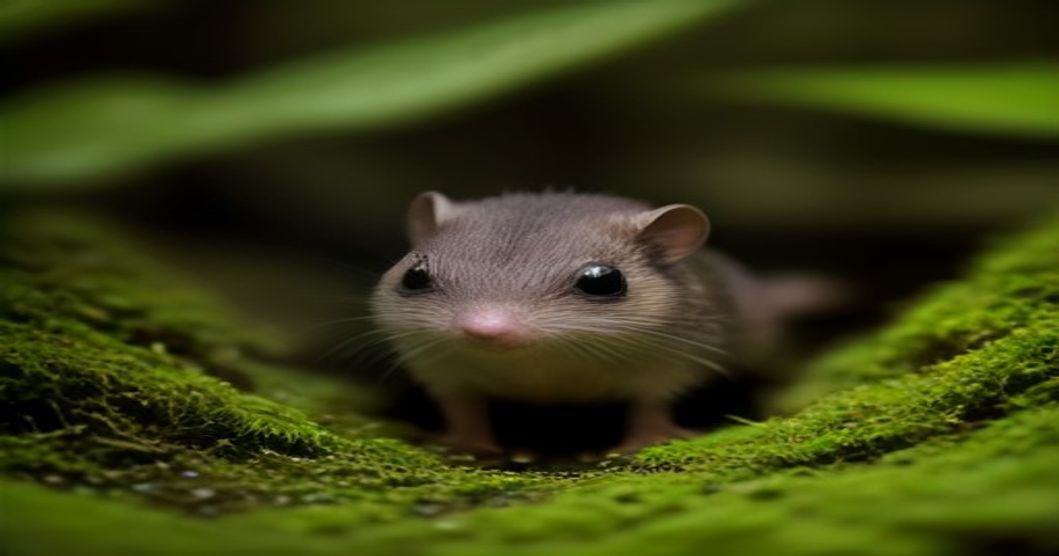
More Than Meets the Eye: Shrew Biology and Behavior
At first glance, it is easy to mistake a shrew (genus Sorex) for a common mouse or vole. However, as any professional veterinarian or wildlife expert will tell you, these fascinating creatures belong to an entirely different biological order. Unlike rodents, shrews are specialized insectivores characterized by a suite of unique evolutionary adaptations that make them one of the most successful mammal families on Earth, boasting an estimated global population of around 100 billion individuals.
Fascinating Survival Strategies: Venom, Echolocation, and the Shrew Train
The behavioral repertoire of shrews is nothing short of extraordinary. Certain shrew species possess specialized venomous saliva used to immobilize prey, while others navigate their complex subterranean environments using primitive echolocation. Perhaps one of the most charming and unusual sights in the natural world is the ‘caravan’ behavior observed in growing young shrews. As they mature and begin exploring outside the nest, the offspring will form a train-like procession by biting firmly onto the base of the mother’s tail—and each other’s tails—allowing the family to move together safely.
A High-Speed Metabolism: The Race Against Time
Behind their diminutive size lies a grueling physiological reality. Shrews possess an exceptionally high metabolic rate, which dictates a relentless need for sustenance. To survive, a shrew must consume daily quantities of food that exceed its own body weight by 1.5 to 2 times, and frequently even more. Consequently, these tiny mammals feed almost continuously, snatching only brief, fleeting moments of sleep between foraging bouts.
The Critical Vulnerability: Fasting Equals Fatality
Because their energy reserves are so remarkably slim, a shrew left without food faces a catastrophic fate in a very short window. Smaller species can perish from starvation in a mere 7 to 9 hours, while the tiny lesser shrew can succumb in just 5.5 hours. Understanding this intense metabolic demand is crucial for wildlife rehabilitators and researchers who encounter these delicate, high-energy animals in the field.